Ocala Insurance

Insurance in Ocala

Call Today: (352) 732-7105

  • Request a Certificate
  • Personal Insurance
    • Homeowners Insurance
    • Car Insurance
    • Umbrella Insurance
    • Flood Insurance
  • Business Insurance
  • Farm Insurance
  • About Us
  • Payments
  • Claims
  • Contact Us

Auto Insurance Myths

February 4, 2024 By cary

Insurance MythsCourtesy of iii.org

When purchasing an auto policy, it’s important to understand the factors that affect your policy costs and coverage. Unfortunately, there’s a lot of bad information that passes for “common wisdom”—here, we separate myth from facts about car insurance.


Myth 1 – Color determines the price of auto insurance

It doesn’t matter whether your car is “Arrest Me Red” or “Hide In Plain Sight White”—the color doesn’t actually factor into your auto insurance costs. The price of your auto policy is based on many factors, such as car make, model, body type, engine size and the age of the vehicle, as well as the car’s sticker price, the cost to repair it, its overall safety record and the likelihood of theft. Insurers also take into account the age, driving record and sometimes the credit history of the driver.

Myth 2 – It costs more to insure your car when you get older

Quite the opposite, in fact—older drivers may be eligible for special discounts. For example, those over 55 years of age can get a reduction in their auto insurance premium if they successfully complete an accident prevention course (available through local and state agencies as well as through the AAA and AARP). Retirees or those who aren’t employed full time—and therefore, who are driving less—may also be eligible for a car insurance discount. Older driver programs and discounts vary by state and insurance carrier and driver age, so if you think you may qualify, check with your insurance professional.

Myth 3 – Your credit has no effect on your insurance rate

Your credit-based insurance score—which is derived from your credit history—may matter. A good credit score demonstrates how well you manage your financial affairs and has been shown to be a good predictor of whether someone is more likely to file an insurance claim so many insurance companies take it into consideration when you want to purchase, change or renew your auto insurance coverage. People with good credit—and, therefore good insurance scores—often end up paying less for insurance.

Myth 4 – Your insurance will cover you if your car is stolen, vandalized or damaged by falling tree limbs, hail, flood or fire

This is only true if you opt for comprehensive and collision coverage along with your standard policy. If a car is worth less than $1,000, or less than 10 times the insurance premium, purchasing these coverages may not be cost effective—but you do need to have collision and comprehensive insurance to fully protect your vehicle from all types of damage.

Myth 5 – You only need the minimum amount of auto liability insurance required by law

Almost every state requires you to buy a minimum amount of auto liability coverage but buying only the minimum amount of liability means you are likely to pay more out-of-pocket for losses incurred after an accident—and those costs may be steep. The insurance industry and consumer groups generally recommend a minimum of $100,000 of bodily injury protection per person and $300,000 per accident. If you have substantial personal financial assets to protect in the event of a lawsuit, you may even want to consider an umbrella liability policy.

Myth 6 – If another person drives your car, in the event of accident, his or her auto insurance will cover the damages

In most states, the auto insurance policy covering the vehicle is considered the primary insurance. This means that the car owner’s insurance company must pay for damages caused by an accident, regardless of who is driving. Policies and laws differ by state, so make sure you understand the rules before allowing another person to drive your car.

Myth 7 – Soldiers pay more for insurance than civilians

If you are in the military—regardless of which branch—you actually qualify for a discount on auto insurance. You’ll need to supply documentation that lists your name, rank and the time that you will be enlisted in the service (in some situations, you might be able to have your commanding officer make a phone call on your behalf). Shop around—some auto insurance companies provide discounts for former members of the military, as well as their families.

<
Myth 8 – Personal auto insurance also covers business use of your car

If you are self-employed and use your vehicle for business purposes, personal auto insurance may not protect you so it’s important to purchase business vehicle insurance. If you have other people—such as employees—using your vehicle, regularly check their driving records.


Filed Under: Insurance, Insurance News

Disasters & homeowners insurance

January 28, 2024 By cary

Disaster InsuranceCourtesy of iii.org

Standard homeowners policies cover a wide range of potential disasters, from tornadoes to lightning strikes to winter storm damage. Policies do vary, though, so for your own peace of mind, check yours for the specific perils covered. Learn what’s generally covered by each homeowners insurance policy type—and what’s not.
What type of disasters are covered?
You will want to determine what type of coverage you have for:

  • Dwelling
  • Personal property

Options include:

  • Perils Basic HO-1*+
  • Broad HO-2*
  • Special HO-3*
  • Special HO-3
  • Renters HO-4
  • Condo/Co-op HO-6
  • Modified Coverage HO-8

Disasters that are not covered

  1. Floods. Flood damage is excluded under standard homeowners and renters insurance policies. Separate flood insurance coverage, however, is available for both homeowners and renters as a separate policy both from the National Flood Insurance Program (NFIP) and from a few private insurers. Learn more about flood insurance—whether you need it, how to get it, and more.
  2. Earthquakes. Earthquake coverage is available from most insurance companies as a separate policy or an endorsement to your homeowners or renters policy. Learn more about earthquake insurance.
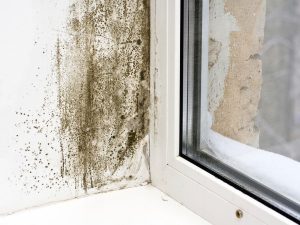
  3. Maintenance damage. It is your responsibility to maintain your home and take reasonable precautions to protect your home from damage. Your insurance policy will not cover damage due to lack of maintenance, mold or infestation from termites or other pests.
  4. Sewer Backup. Sewer backups are not covered under a typical homeowners insurance policy, nor are they covered by flood insurance. This type of coverage must be purchased either as a separate product or as an endorsement to a homeowners policy, usually at a nominal cost. Learn more about sewers and sewer backup insurance.


Next steps: Need to settle a claim after a disaster? We’re sorry—but maybe these tips will make the claims process easier for you.

Filed Under: Insurance, Insurance News

Do I Need to Insure Workers in my Home?

January 18, 2024 By cary

Insurance for Hired HelpCourtesy of iii.org

Accidents happen—and if they happen to people you’ve hired to come into your home or onto your property to work, you’re financially liable. It makes sense to understand how you’re already covered and when to further insure household help.


Appropriate and adequate insurance coverage depends on the nature of the employee’s position and the assets you’re protecting. As always, consult your insurance professional with any questions or requested changes to your policy. Here’s some information to get you started.

If you contract a worker with an outside firm

For many household and in-home care needs—for example, for a nurse, a physical therapist, a cook or a housekeeper—you may decide to contract with a business or agency that provides these types of pros.

  • Determine who is the employer. When you’re dealing with a firm or agency, in most cases the worker you hired is an employee of that business and insured under their auspices. (If for some reason you’re the employer, read on to the situations below and talk to your insurance professional.)
  • Ask the firm for a copy of its certificates of insurance, which provides documentation that the firm provides workers compensation for its employees. If the firm also offers health and disability insurance, you can feel comfortable that any worker injured on your property will receive medical treatment.

If you hire occasional workers

If you occasionally hire a babysitter to take care of your children or a young person in your neighborhood to rake leaves or clean the garage, review your current insurance and:

  • Learn about the current no-fault medical coverage in your homeowners policy or renters insurance. If someone other than an immediate family member is injured on your property, you can submit their medical bills directly to your insurance company for reimbursement. Make sure your policy limits are adequate to your needs.
  • Check your liability insurance. Depending on your current homeowners and renters coverage and your assets, you may elect to raise the amount or buy more coverage through an umbrella liability policy.

If you hire permanent full- or part-time employees

If you hire one or more home workers on a permanent, regularly scheduled basis, consider purchasing workers compensation insurance. Workers comp provides coverage for medical care and physical rehabilitation for an employee who is injured on the job, as well as lost wages if the employee is severely hurt and no longer able to work. In the worst-case scenario, it also provides death benefits.

  • Find out if your state requires workers compensation for the type of employees you’re hiring (ex. housekeeper, gardener, etc.). Your state workers compensation board or agency can provide this information.
  • Determine the mandatory requirements workers comp coverage. For instance, some states may require an employer who hires a certain number of employees to buy workers compensation. In other states, the determination might be based on the number of hours an employee would work.
  • Don’t ignore the law. It’s important to note that if you’re required by law to buy workers compensation insurance and you fail to do so, your homeowners or other applicable policies will not pay for any fines, court awards or any other penalties against you.

If your employee is going to drive your car

Whatever the nature of the employee relationship, it’s important to inform your auto insurance company if the person you hire is going to drive your car. For example, if you’re going to lend your car to a worker to pick up groceries or take an aging parent to the doctor, your insurer needs to know about the additional driver for auto insurance purposes. Whatever the employee car usage, your insurer can explain your options.

Next steps link: Do you anticipate lots of workers because you’re renovating? Know the insurance implications of remodeling your home.

Filed Under: Insurance News

Disasters & homeowners insurance

December 17, 2023 By cary

Disaster Insurance Courtesy of iii.org

Standard homeowners policies cover a wide range of potential disasters, from tornadoes to lightning strikes to winter storm damage. Policies do vary, though, so for your own peace of mind, check yours for the specific perils covered. Learn what’s generally covered by each homeowners insurancepolicy type—and what’s not.
What type of disasters are covered?
You will want to determine what type of coverage you have for:

  • Dwelling
  • Personal property

Options include:

  • Perils Basic HO-1*+
  • Broad HO-2*
  • Special HO-3*
  • Special HO-3
  • Renters HO-4
  • Condo/Co-op HO-6
  • Modified Coverage HO-8

Disasters that are not covered

  1. Floods. Flood damage is excluded under standard homeowners and renters insurance policies. Separate flood insurance coverage, however, is available for both homeowners and renters as a separate policy both from the National Flood Insurance Program (NFIP) and from a few private insurers. Learn more about flood insurance—whether you need it, how to get it, and more.
  2. Earthquakes. Earthquake coverage is available from most insurance companies as a separate policy or an endorsement to your homeowners or renters policy. Learn more about earthquake insurance.
  3. Maintenance damage. It is your responsibility to maintain your home and take reasonable precautions to protect your home from damage. Your insurance policy will not cover damage due to lack of maintenance, mold or infestation from termites or other pests.
  4. Sewer Backup. Sewer backups are not covered under a typical homeowners insurance policy, nor are they covered by flood insurance. This type of coverage must be purchased either as a separate product or as an endorsement to a homeowners policy, usually at a nominal cost. Learn more about sewers and sewer backup insurance.


Next steps: Need to settle a claim after a disaster? We’re sorry—but maybe these tips will make the claims process easier for you.

Filed Under: Insurance News

Cold Weather Tips

December 3, 2023 By cary

Winter Weather tipsCourtesy of iii.org

Here in Florida, we experience somewhat milder winters, but don’t be caught unprepared when freezing temperatures strike. Ice, snow and wind can have devastating consequences to your home—and to your household budget. Fortunately, there are precautions you can take to avoid the expense and inconvenience of winter damage—and even help you save on heating costs. Get started when the leaves begin to turn so your home is well prepared when the cold, harsh weather hits.


Winter weather prep for the outside of your home

When temperatures drop dramatically and the snow flies, you’ll be glad to have taken these measures to safeguard your house.

  • Clean out the gutters. Remove leaves, sticks and other debris from gutters, so melting snow and ice can flow freely. This can prevent ice damming, which is what happens when water is unable to drain through the gutters and instead seeps into the house causing water to drip from the ceiling and walls.
  • Install gutter guards. Gutter guards prevent debris from entering the gutter and interfering with the flow of water away from the house and into the ground.
  • Trim trees and remove dead branches. Ice, snow and, wind could cause weak trees or branches to break free and damage your home or car, or injure someone walking by your property.
  • Repair steps and handrails. Broken stairs and banisters can become lethal when covered with snow and ice.
  • Use caulking to seal cracks and wall openings to prevent cold air and moisture from entering your home. Caulk and install weather stripping around windows and doors to prevent warm air from leaking out and cold air from blowing in.

Winter weather prep for the inside of your home

Frigid temperatures, snow and ice can wreak havoc on water pipes and tax heating systems. Ensure all your home’s internal systems are “go” for winter safety and efficiency.

  • Add extra insulation to attics, basements and crawl spaces. If too much heat escapes through the attic, it can cause snow or ice to melt on the roof. Water then can refreeze, leading to more ice build-up—and may even lead to ice dams that can damage your roof. Well-insulated basements and crawl spaces will also help protect pipes. Consider insulating garages and other unfinished areas to keep pipes from freezing.
  • Provide a reliable back-up power source. In the event of a power outage, continuous power will keep you warm and help to prevent frozen pipes, or a frozen battery operated sump-pump. Consider purchasing a portable power generator to ensure safety—and be sure to follow all guidelines for safe operation.
  • Have your heating system serviced. Furnaces, boilers and chimneys should be serviced at least once a year to prevent fire and smoke damage.
  • Check pipes closely for the presence of cracks and leaks. Have any compromised pipe repaired immediately.
  • Protect pipes in attics and crawl spaces with insulation or plug-in heating cable. Be sure to purchase UL®-listed models of heating cables with built-in thermostats; these will turn on the heat on when it is needed. When using the cables, always follow manufacturers instructions closely.
  • Install an emergency pressure release valve in your plumbing system. This will protect the system against increased pressure caused by freezing pipes and can help prevent your pipes from bursting.
  • Move combustible items away from near any heat sources that you’ll likely be using. This includes fireplaces, wood stoves and space heaters.
  • Install or check smoke and carbon monoxide detectors. Not only do residential fires increase in the winter, but so does carbon monoxide poisoning—so regularly check that your detectors are in working condition.
  • Know where your pipes are located and learn how to shut the water off. If your pipes freeze, speed is critical. The quicker you shut off water or direct your plumber to the problem, the better your chance of preventing major damage.
  • Hire a licensed contractor to look for structural damage. If damage is found, have all necessary repairs performed as soon as possible.
  • Take steps to prevent flooding. Your licensed contractor can also advise you about measures to prevent flooding from melted snow and ice runoff. Plastic coatings for internal basement walls, sump pumps and other improvements can prevent water damage to your home and belongings.
  • Consider insuring yourself for a sewer backup. Flooding related to melting snow can overburden sewer systems. Raw sewage backed up into the drains in your home can cause thousands of dollars in damage to floors, walls, furniture and electrical systems. Sewer backup is not covered under standard homeowners insurance or renters insurance policies, nor is it covered by flood insurance but can be purchased as either a separate product, or an endorsement.

Filed Under: Insurance News

  • « Previous Page
  • 1
  • …
  • 15
  • 16
  • 17
  • 18
  • 19
  • …
  • 33
  • Next Page »

The Griffin Insurance Agency
2139 NE 2nd Street
Ocala, FL 34470

Phone: (352) 732-7105
Fax: (352) 732-9705
Hours: Monday-Friday: 9-5

Accessibility Statement

  • Request a Certificate
  • Payments
  • Claims
  • Insurance Blog
  • Contact Us
  • Home
  • Privacy Policy

Copyright Grffin Insurance Agency 2015 · designed by iWebResults