Skip to content

Ocala Insurance

Insurance in Ocala

Call Today: (352) 732-7105

  • Request a Certificate
  • Personal Insurance
    • Homeowners Insurance
    • Car Insurance
    • Umbrella Insurance
    • Flood Insurance
  • Business Insurance
  • Farm Insurance
  • About Us
  • Payments
  • Claims
  • Contact Us

Florida, You’ve Got Storms!

June 21, 2016 By Anna Brantley

Courtesy of http://www.insuringflorida.org/florida-alert-5-days-into-hurricane-season-3-named-storms-already/

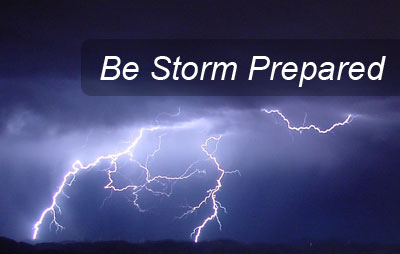
storm22We have entered the 2016 hurricane season, and Florida is on alert for a tropical system. It’s the third named storm of the year, and did I mention we are only 5 days into hurricane season? Pay attention please. There has never been 3 storms named this early in the season, which began June 1 and continues through November 30. Keep track of things locally, through the national Weather Prediction Center or through state weather status updates from the Division of Emergency Management.

Complacency is the biggest threat to storm preparation. Maybe you don’t scare easily. Maybe you were well prepared every year since the storms of 2005 shook us up. But since then, many people have let their guard down, meaning they relaxed their vigilance. Consider this a reminder that it is time to ramp up your defenses. Here is a hurricane season checklist to put into action – now.

Is your insurance up to date? Have you talked with your insurer in the last year to make sure your coverage is up to date? If you rent, here’s a renter’s insurance checklist so you are protected if a storm blows through.

This storm is named Colin, and AccuWeather said it will likely track through northwestern Florida and race across the northern part of the state. Effects of this storm system are already being felt since it’s been raining in most locales all day today. Hopefully, it’s no big deal. And, hopefully, it can prove to get the attention of those who yawned at hurricane predictions over the past 10 years.

No one (ever) knows for sure what tomorrow brings. But if you know for sure that you have the basics covered, you’ll sleep better tonight.

Filed Under: Insurance

Long Term Care Insurance

June 13, 2016 By Anna Brantley

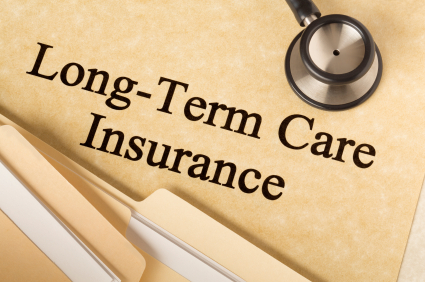
Long-Term Care Health Insurance PolicyCourtesy of Insuring Florida

According to the U.S. Census data, in 2010 there were 22 people over the age of 65 for every 100 people. By 2030, that number will rise steeply – with 35 of every 100 Americans being over 65 years old. That’s 19 percent of the population. No surprise that Florida ranks #1 with the most households with senior citizens. Obviously, the need for long-term care insurance will increase.

Most people buy long-term care insurance around age 60, says the U.S. Dept. of Health and Human Services. The younger you are when you buy it, the more likely you are to be accepted for coverage. If you apply in your 50s, there’s a one in 10 chance you’ll be rejected. If you apply in your 60s, the chance of rejection is two in 10, and the odds against you double if you wait to apply for coverage until you hit your 70s. Of course, the younger you are, the lower the premium will be for a given set of benefits and features. Once the premium is set, it stays at that amount for the life of the policy, unless the claims for the group of people who have bought that type of policy require rates for the group be raised to cover claim payments.

You’ve got lots of options in planning for the silver and golden (and platinum) years. Some people think they should invest what they would have paid in long-term care, rather than buying an insurance policy. But that may leave you vulnerable if you need the benefits earlier than planned. Like most things in life, do your homework on long-term care. And, celebrate your years – since this is Older Americans Month, and the theme is “Never Too Old to Play.” I like the sound of that!

Filed Under: Insurance

Hurricane Season Begins

June 6, 2016 By Anna Brantley

stormCourtesy of iii.org

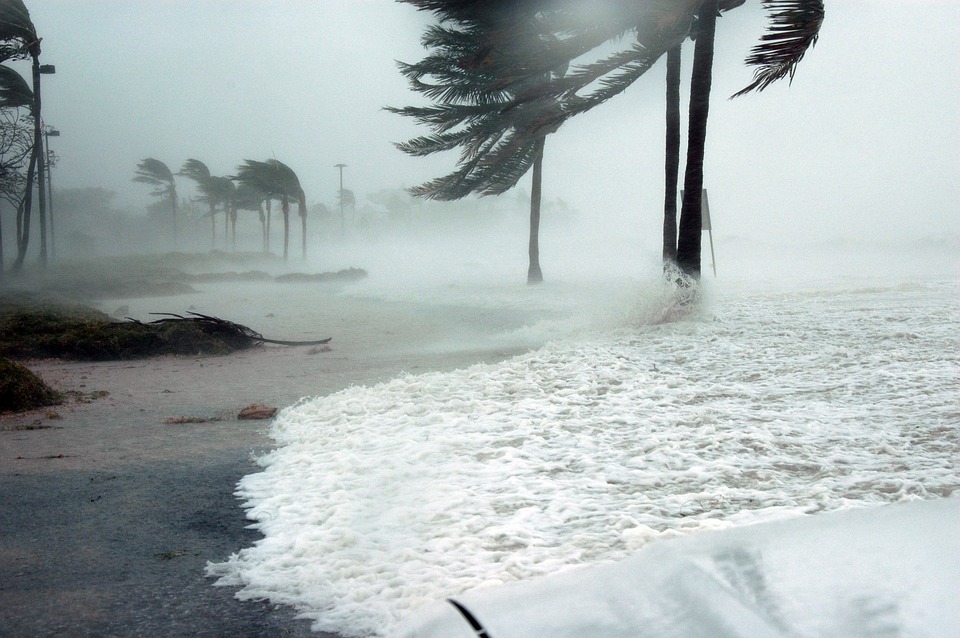
With Bonnie threatening to develop into a tropical storm over the Memorial Day weekend, the Atlantic could have its second storm before the official start of hurricane season, which starts on June 1 and ends on November 30. Reporters covering Bonnie and the 2016 Atlantic hurricane season can contact the Insurance Information Institute (I.I.I.) for information, analysis and interviews.

Wind damage from tropical storms and hurricanes is covered under standard homeowners, renters and business insurance policies. Flood damage resulting from storm surge caused by hurricanes is excluded under standard policies, however. Separate flood coverage can be purchased from FEMA’s National Flood Insurance Program (NFIP) and from a few private insurance companies.

Damage to cars from tropical storms and hurricanes is covered under the optional comprehensive portion of an auto insurance policy. Comprehensive coverage includes wind damage, flooding and falling objects such as tree limbs.

Filed Under: Insurance

Insurance, Boats and You

June 2, 2016 By Anna Brantley

Courtesy of http://www.insuringflorida.org/the-right-insurance-keeps-your-boat-afloat/

boat-insuranceLiving in Florida means boating season never ends. With the right insurance protection, your boating days can be as carefree as a day at the beach. The type of insurance coverage you get depends upon the boat.

If you have a small boat, such as a canoe or kayak, you may have coverage under your homeowners or renters insurance policy. Coverage is usually about $1,000 or 10 percent of the home’s insured value. That amount of coverage includes the small boat, motor and anything you may use to tow it. It does not typically include liability insurance.

Extra liability coverage for boaters makes good sense. Some insurers exclude liability coverage for jet-skis under standard property insurance policies because of the high rate of accidents and injuries. Check with your insurer to see what’s covered and ask about additional protection that you can purchase through an endorsement. If you own a jet-ski or plan to rent one, check out ourjet-ski safety video.

People who own small boats need to “go large” on safety. According to the U.S. Coast Guard’s 2013 Boating Statistics, eight of 10 boaters who drowned were in vessels of less than 21 feet. And, 84 percent of drowning victims were not wearing a life jacket. Alcohol use is the leading contributor to boating accidents, along with operator inattention and inexperience. Not unlike the statistics for highways.

To cover physical loss for larger boats (and those valued above $1,000), you need broader coverage. With a watercraft policy or an endorsement to your existing homeowners policy, you’ll be covered for every type of loss or damage to your boat, including theft. There are a few coverage exceptions (such as normal wear and tear). Many boat owners choose a discounted package that covers the boat, motor and trailer.

Some people may decide to go without insurance on their boat because it’s paid in full, so no lender is “forcing” them to get coverage. That’s always an option, I guess, if you can afford to sink your investment. Back in 2004, when Florida experienced multiple hurricanes, you probably saw images of boats slammed together near marinas or flung into streets by high winds, resting a block from the ocean. I remember talking to a woman after Hurricane Ivan who said she had just sunk $10,000 into remodeling her yacht, which was found smashed to bits in a parking lot. “That’s not covered under my homeowners insurance, is it?” she asked. She knew the answer before asking the question, and now so do you.

Filed Under: Insurance

Liability and Dog Bites

May 22, 2016 By Anna Brantley

dogCourtesy of http://www.iii.org/issue-update/dog-bite-liability. About 77.8 million dogs are owned as pets in the United States according to a 2015/2016 survey from by the American Pet Products Association.

According to the Centers for Disease Control and Prevention, about 4.5 million people are bitten by dogs each year and about 885,000 require medical attention for these injuries; about half of these are children.

Some insurance companies will not insure homeowners who own certain breeds of dogs categorized as dangerous, such as pit bulls. Others decide on a case-by-case basis, depending on whether an individual dog, regardless of its breed has been deemed vicious.

RECENT DEVELOPMENTS

  • Claims: Dog bites and other dog-related injuries accounted for more than one-third of all homeowners insurance liability claim dollars paid out in 2015, costing more than $570 million, according to the Insurance Information Institute (I.I.I.) and State Farm®. An analysis of homeowners insurance data by the I.I.I. found that while the number of dog bite claims nationwide decreased 7.2 percent in 2015, the average cost per claim for the year was up 16 percent. The average cost paid out for dog bite claims nationwide was $37,214 in 2015, compared with $32,072 in 2014. The average cost per claim nationally has risen more than 94 percent from 2003 to 2015, due to increased medical costs as well as the size of settlements, judgments and jury awards given to plaintiffs, which are still on the upswing. California continued to have the largest number of claims in the U.S. at 1,684. Illinois had the second highest number of claims at 931. Arizona had the ninth largest number of claims at 393, but it registered the highest average cost per claim of the 10 states with the most claims: a staggering $56,654. The trend in higher costs per claim is attributable not only to dog bites but also to dogs knocking down children, cyclists, the elderly, etc., which can result in injuries that impact the potential severity of the losses.

Filed Under: Insurance

  • « Previous Page
  • 1
  • …
  • 29
  • 30
  • 31
  • 32
  • Next Page »

The Griffin Insurance Agency
2139 NE 2nd Street
Ocala, FL 34470

Phone: (352) 732-7105
Fax: (352) 732-9705
Hours: Monday-Friday: 9-5

  • Request a Certificate
  • Payments
  • Claims
  • Insurance Blog
  • Contact Us
  • Home
  • Privacy Policy

Copyright Grffin Insurance Agency 2015 · designed by iWebResults