Skip to content

Ocala Insurance

Insurance in Ocala

Call Today: (352) 732-7105

  • Request a Certificate
  • Personal Insurance
    • Homeowners Insurance
    • Car Insurance
    • Umbrella Insurance
    • Flood Insurance
  • Business Insurance
  • Farm Insurance
  • About Us
  • Payments
  • Claims
  • Contact Us

Severe Weather Events & Your Business

October 26, 2025 By cary

Business InsuranceCourtesy of iii.org

Courtesy of iii.org

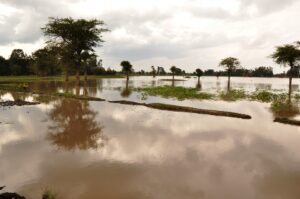
With predictions of an above-average hurricane season issued by Colorado State University this week, businesses need to take measures to prepare and increase their chance of surviving, according to the Insurance Information Institute (I.I.I.).

Forty percent of businesses do not reopen after a disaster and another 25 percent fail within one year, according to the Federal Emergency Management Agency (FEMA). But by taking action now to prepare, businesses can increase their chance of getting back on their feet financially and keeping their doors open.

The I.I.I. and the Insurance Institute for Business & Home Safety (IBHS) recommend the following steps:

Develop a Business Continuity Plan

Having a business continuity plan is vital for companies to prepare for, survive and recover from a hurricane. Use IBHS free OFB-EZ (Open for Business) business continuity planning tool to create a plan that focuses on recovering after the initial emergency response. Share your plan with employees, assign responsibilities and offer training so your workforce can collaborate in the recovery of your business. Conduct regular drills to assess and improve response.

Maintain Key Information Offsite

To get your business up and operating as quickly as possible after a disaster, you’ll need to be able to access critical business information. In addition to backing up computer data, keep other critical information offsite such as your insurance policies, banking information and phone numbers of employees, key customers, vendors and suppliers, your insurance professional and others. If you have a back-up site, make sure it’s sufficiently far away so as not to be affected by the same risks that threaten the primary location. Use IBHS free EZ-PREPTM severe weather emergency preparedness and response planning toolkit with checklists that can be customized for your company to be sure you have a well-organized plan and are ready to respond when disasters occur.

Create a Business Inventory

Include all business equipment, supplies and merchandise and don’t forget commercial vehicles.

Review Your Insurance Coverage

The time to review your insurance policy is before disaster strikes and you have to file a claim. It is important that your business have both the right amount and type of insurance for its needs and risk profile. There are two types of policies you can buy as a business owner:

A Business Owner Policy (BOP) is commonly used by small businesses. BOP policies combine property and liability coverage in one policy and are usually less comprehensive than a commercial policy.

A Commercial Multi-peril (CMP) policy combines several coverages such as commercial property, liability, inland marine and commercial auto into a single policy. It is typically less expensive to buy a CMP policy than to buy the coverages individually.

Opt for Replacement Cost Coverage

Most commercial property policies provide either replacement cost coverage, actual cash value coverage, or a combination of both. Replacement cost coverage will pay to rebuild or repair property, based on current construction costs. Actual cash value coverage will pay to rebuild or replace the property minus depreciation. Depreciation is a decrease in value due to wear and tear or age. If your business is destroyed and you only have actual cash value coverage, you may not be in a position to completely rebuild.

Consider Tenant Coverage

If you rent or lease a building, consider tenant coverage, which will insure your on-premises property, including machinery, furniture and merchandise. The building owner’s policy will not cover your contents.

Don�t Forget About Flood Insurance

Flooding is not covered by standard commercial insurance policies, so consider buying a separate flood policy. If you’re located in a high- to moderate-risk flood zone, you could be protecting your business from devastating financial loss. Commercial flood coverage is available from the National Flood Insurance Program (NFIP) and provides up to $500,000 in building coverage and $500,000 for contents. You can also get coverage through private insurers.

Visit the Business Insurance section of the I.I.I. website for more information.

RELATED LINKS

Facts and Statistics: Catastrophes

Articles: When Disaster Strikes: Preparation, Response and Recovery; Does My Business Need Flood Insurance?

SOURCES:

Colorado State University

Insurance Institute for Business & Home Safety

National Flood Insurance Program

National Hurricane Center

Seasonal Hurricane Predictions

Small Business Administration

Filed Under: Business Insurance, Insurance, Insurance News

Driving and Seniors

October 12, 2025 By cary

Seniors InsuranceCourtesy of iii.org

Older drivers are keeping their licenses longer and driving more miles than ever before.

The high fatality rates of this age group reflect the fact that older drivers are more easily injured than younger people and are more apt to have medical complications and die of those injuries.

There is a growing need to help older drivers sharpen their skills as well as recognize their changing abilities and adapt their driving practices appropriately. Insurers have partnered with state and local governments, and groups such as AARP and the AAA Foundation for Highway Safety to create programs designed to address these needs.

Improving Older Driver Safety

According to the Governors Highway Safety Administration, impairments in three key areas—vision, cognition and motor function—are responsible for higher crash rates for older drivers. Vision declines with age; cognition, which includes memory and attention, can be impacted by medical problems such as dementia and medication side effects; and motor function suffers as flexibility declines due to diseases such as arthritis.

A 2018 report from TRIP, a nonprofit organization that studies transportation issues, calls for  transportation improvements that will enable older Americans to maintain their mobility. Since there are about 46 million people age 65 or older, projected to more than double to over 98 million by 2060, roadway safety improvements are increasingly important as 90 percent of travel for this demographic takes place in a private vehicle. Almost 80 percent live in auto-dependent suburban and rural areas. Public transit accounts for only two percent of trips for older Americans. Ridesharing services can help seniors maintain their mobility although they often require the use of smartphones, which are owned by under one-third of older Americans. Self-driving and connected vehicles hold much promise for the mobility of older Americans.

Licensing requirements and restrictions

Many states routinely attempt to identify, assess and regulate older drivers with diminishing abilities who cannot or will not voluntarily modify their driving habits. According to the Insurance Institute for Highway Safety, 18 states require older drivers to renew their drivers licenses more often than the rest of the state’s residents. In addition, 18 states require more frequent vision tests for older motorists.  Sixteen states and the District of Columbia prohibit older drivers from renewing licenses by mail or online. One state, Illinois, requires older drivers age 75 and over to take a road test at renewal and the District of Columbia requires a doctor’s approval for drivers over the age of 70 to renew their licenses.

Some states restrict driving activities for people with certain medical conditions or after a serious accident or traffic violation. Depending on their ability, older drivers may be limited to driving during daylight hours or on nonfreeway types of roads. In most states restrictions such as these can be placed on anyone’s drivers license, regardless of age, if his or her medical condition warrants it.

A 2014 study published in the journal Injury Epidemiology found that no policy in state drivers license renewal laws examined had a significant impact on fatal crash involvement of drivers younger than 85 years of age. However, two provisions had some effect on the involvement of older drivers in fatal crashes. Mandatory in-person renewal was associated with a 31 percent reduction in the fatal crash involvement rates of drivers ages 85 and older. In states where in-person renewal was not required, requiring drivers to pass a vision test was associated with a similar reduction for drivers age 85 and older. But in states where in-person renewal was required, mandating a vision test was not associated with any additional reduction, along with requiring a knowledge test or an on-road driving test. Results were also not statistically significant for laws that require more frequent renewal or requiring healthcare providers to report cases concerning their patients’ driving ability.

Insurance discounts

According to the National Association of Insurance Commissioners, as of January 2015, 34 states and the District of Columbia mandated premium discounts for older adults. (These state laws have not been changed since February 2013.) All but Massachusetts require older drivers (usually age 55 and over) to complete an approved-accident prevention course. In addition, 12 states mandate discounts to all drivers (including older drivers) who take defensive driving or other drivers’ education courses. In general, the state-mandated discounts apply to liability coverages because they are most relevant. The regulations can vary by state. For instance, in Massachusetts the older adult discount applies to all coverages for drivers over the age of 65.

In addition, some insurance companies offer discounts in the states in which they do business for drivers who complete defensive driving or other approved courses, including discounts for seniors who take AARP courses.

Filed Under: Insurance, Insurance News

Safe Cleanup After Water Damage

October 5, 2025 By cary

Mold DamageCourtesy of iii.org

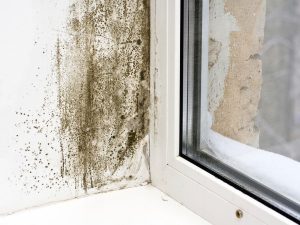
Returning to your home after a flood is a big part of getting your life back to normal. But consumers and small businesses may be facing a new challenge: mold. What can you do to get rid of it? How do you get the mold out of your home or office and stay safe at the same time? CDC has investigated floods, mold, and cleanup, and offers practical tips for homeowners and others on how to safely and efficiently remove mold from the home.

In 2005, thousands of people along the Gulf Coast were faced with cleaning up mold from their homes after Hurricanes Katrina and Rita. One of our first concerns was to let homeowners and others know how they could clean up mold safely. After Hurricane Sandy in 2012, we teamed up with other federal agencies to provide practical advice on mold cleanup. This guidance outlines what to do before and after going into a moldy building, how to decide if you can do the cleanup yourself or need to hire someone, and how you can do the cleanup safely.

Prepare To Clean Up

Before you start any cleanup work, call your insurance company and take pictures of the home and your belongings. Throw away, or at least move outside, anything that was wet with flood water and can’t be cleaned and dried completely within 24 to 48 hours. Remember, drying your home and removing water-damaged items is the most important step to prevent mold damage.

Protect Yourself

We offer specific recommendations for different groups of people and different cleanup activities. This guidance educates people about the type of protection (think: gloves, goggles, masks) you need for different parts of your mold cleanup. It also identifies groups of people who should and should not be doing cleanup activities.

Be Safe With Bleach

Many people use bleach to clean up mold. If you decide to use bleach, use it safely by wearing gloves, a mask, and goggles to protect yourself. Remember these four tips to stay safe:

  • NEVER mix bleach with ammonia or any other cleaning product.
  • ALWAYS open windows and doors when using bleach, to let fumes escape.
  • NEVER use bleach straight from the bottle to clean surfaces. Use no more than 1 cup of bleach per 1 gallon of water when you’re cleaning up mold.  If you are using stronger, professional strength bleach use less than 1 cup of bleach per gallon of water.
  • ALWAYS protect your mouth, nose, skin, and eyes against both mold and bleach with an N-95 mask, gloves, and goggles.  You can buy an N-95 mask at home improvement and hardware stores.

You can take steps to keep yourself and others protected while cleaning up mold after a flood. Make sure to follow CDC’s recommendations so you can return home safely.

Resources

  • Homeowner’s and Renter’s Guide to Mold Cleanup After Disasters
  • Population Specific Recommendations for Protection From Exposure to Mold
  • Basic Facts About Molds in the Environment
  • Cleanup and Remediation

Filed Under: Insurance, Insurance News

Understanding Homeowners Insurance Coverage

September 28, 2025 By cary

Homeowners Insurance Courtesy of iii.org

Homeowners coverage provides financial protection against loss due to disasters, theft and accidents. Most standard policies include four essential types of coverage: Coverage for the structure of your home; Coverage for your personal belongings; Liability protection; Coverage for Additional Living Expenses


Coverage for the structure of your home

Your homeowners policy pays to repair or rebuild your home if it is damaged or destroyed by fire, hurricane, hail, lightning or other disasters listed in your policy. Most policies also cover detached structures such as a garage, tool shed or gazebo—generally for about 10 percent of the amount of insurance you have on the structure of the house.

A standard policy will not pay for damage caused by a flood, earthquake or routine wear and tear.

When purchasing coverage for the structure of your home, remember this simple guideline: Purchase enough coverage to rebuild your home.

Coverage for your personal belongings

Your furniture, clothes, sports equipment and other personal items are covered if they are stolen or destroyed by fire, hurricane or other insured disasters. The coverage is generally 50 to 70 percent of the insurance you have on the structure of the house.

The best way to determine if this is enough coverage is to conduct a home inventory.

Personal belongings coverage includes items stored off-premises—this means you are covered anywhere in the world. Some companies limit the amount to 10 percent of the amount of insurance you have for your possessions. You also have up to $500 of coverage for unauthorized use of your credit cards.

Expensive items like jewelry, furs, art, collectibles and silverware are covered, but there are usually dollar limits if they are stolen. To insure these items to their full value, purchase a special personal property endorsement or floater and insure the item for its officially appraised value.

Trees, plants and shrubs are also covered under standard homeowners insurance—generally for about $500 per item. Trees and plants are not covered for disease, or if they have been poorly maintained.

Liability protection

Liability covers you against lawsuits for bodily injury or property damage that you or family members cause to other people. It also pays for damage caused by your pets. So, if your son, daughter (or even your dog) accidentally ruins a neighbor’s expensive rug, you are covered. (However, if they destroy your rug, you’re out of luck.)

The liability portion of your policy pays for both the cost of defending you in court and any court awards—up to the limit stated in your policy documents.

Liability limits generally start at about $100,000, however, it’s a good idea to discuss whether you should purchase a higher level of protection with your insurance professional. If you have significant assets and want more coverage than is available under your homeowners policy, consider purchasing an umbrella or excess liability policy, which provides broader coverage and higher liability limits.

Your policy also provides no-fault medical coverage, so if a friend or neighbor is injured in your home, he or she can simply submit medical bills to your insurance company. This way, expenses can be paid without a liability claim being filed against you. It does not, however, pay the medical bills for your own family or your pet.

Additional living expenses (ALE)

ALE pays the additional costs of living away from home if you cannot live there due to damage from a an insured disaster. It covers hotel bills, restaurant meals and other costs, over and above your usual living expenses, incurred while your home is being rebuilt.

Keep in mind that the ALE coverage in your homeowners policy has limits—and some policies include a time limitation. However, these limits are separate from the amount available to rebuild or repair your home. Even if you use up your ALE your insurance company will still pay the full cost of rebuilding your home up to the policy limit.

If you rent out part of your house, ALE also covers you for the rent that you would have collected from your tenant if your home had not been destroyed.

Next steps: Purchasing a home? Get the Home Buyers Insurance Checklist.

Filed Under: Home Insurance, Homeowners Insurance, Insurance

Be Safe, Carry Flood Insurance

September 21, 2025 By cary

Flood InsuranceCourtesy of iii.org.

Homeowners and businesses in California’s Butte, Sutter and Yuba counties who have flood insurance will be covered if the Lake Oroville Dam’s auxiliary spillway fails, according to the Insurance Information Institute (I.I.I.). Revised forecasts call for about 10 inches of rain heading to the area according to the LA Times.

Roughly 50,047 single- and multi-family residential homes could be damaged with an estimated reconstruction cost value of $13.3 billion if the Oroville Dam in California were to fail completely, according to new data analysis from CoreLogic that included the six primary counties in that area.

“The potential for flooding poses a significant threat to life and property in these northern California counties and forced the evacuation of almost 200,000 of residents,” said Janet Ruiz, the I.I.I.’s California Representative. “Standard homeowners, renters and business insurance policies do not cover flood-caused damage. A separate flood insurance policy is needed.” Lake Oroville Dam is in Butte County.

Flood insurance is available from FEMA’s National Flood Insurance Program (NFIP) and a few private insurance companies. NFIP policies have a 30-day waiting period before the coverage is activated. Excess flood insurance policies are also available from some private insurers if additional coverage is needed above and beyond the basic FEMA NFIP policy. To learn more about flood insurance, visit the FloodSmart.gov.

If your home or business is near a river, lake, stream, creek, dam or other body of water, the I.I.I. recommends taking these three steps in order to assess your property’s flood risks.

  • Contact your insurance professional. Take the time to ask questions and be sure you understand all of your insurance options. It will help you make informed decisions about your insurance coverage.
  • Prepare an emergency plan. The I.I.I.’s free mobile app, Know Your Plan, makes it easy to be ready when disaster strikes. Preparedness information is also available from FEMA’s Ready.gov and the National Oceanic and Atmospheric Administration’s (NOAA) Weather Ready Nation.
  • Conduct a home inventory. Documenting your belongings will help you buy the right amount, and type, of insurance. A home inventory also makes claim filing easier and can be used to document financial losses when filing tax returns or applying for post-disaster financial assistance. Using the I.I.I.’s Know Your Stuff app will ensure you have an updated home inventory, accessible anywhere, any time.

Filed Under: Flood Insurance, Insurance

  • « Previous Page
  • 1
  • 2
  • 3
  • 4
  • 5
  • …
  • 32
  • Next Page »

The Griffin Insurance Agency
2139 NE 2nd Street
Ocala, FL 34470

Phone: (352) 732-7105
Fax: (352) 732-9705
Hours: Monday-Friday: 9-5

  • Request a Certificate
  • Payments
  • Claims
  • Insurance Blog
  • Contact Us
  • Home
  • Privacy Policy

Copyright Grffin Insurance Agency 2015 · designed by iWebResults